"The most striking images I've created aren't of people who love being photographed. They're of people who learned to treat photography as collaboration rather than judgment. They understood that in this social-media age, your image works while you sleep. It attends the meetings you cannot join. It introduces you before you speak."
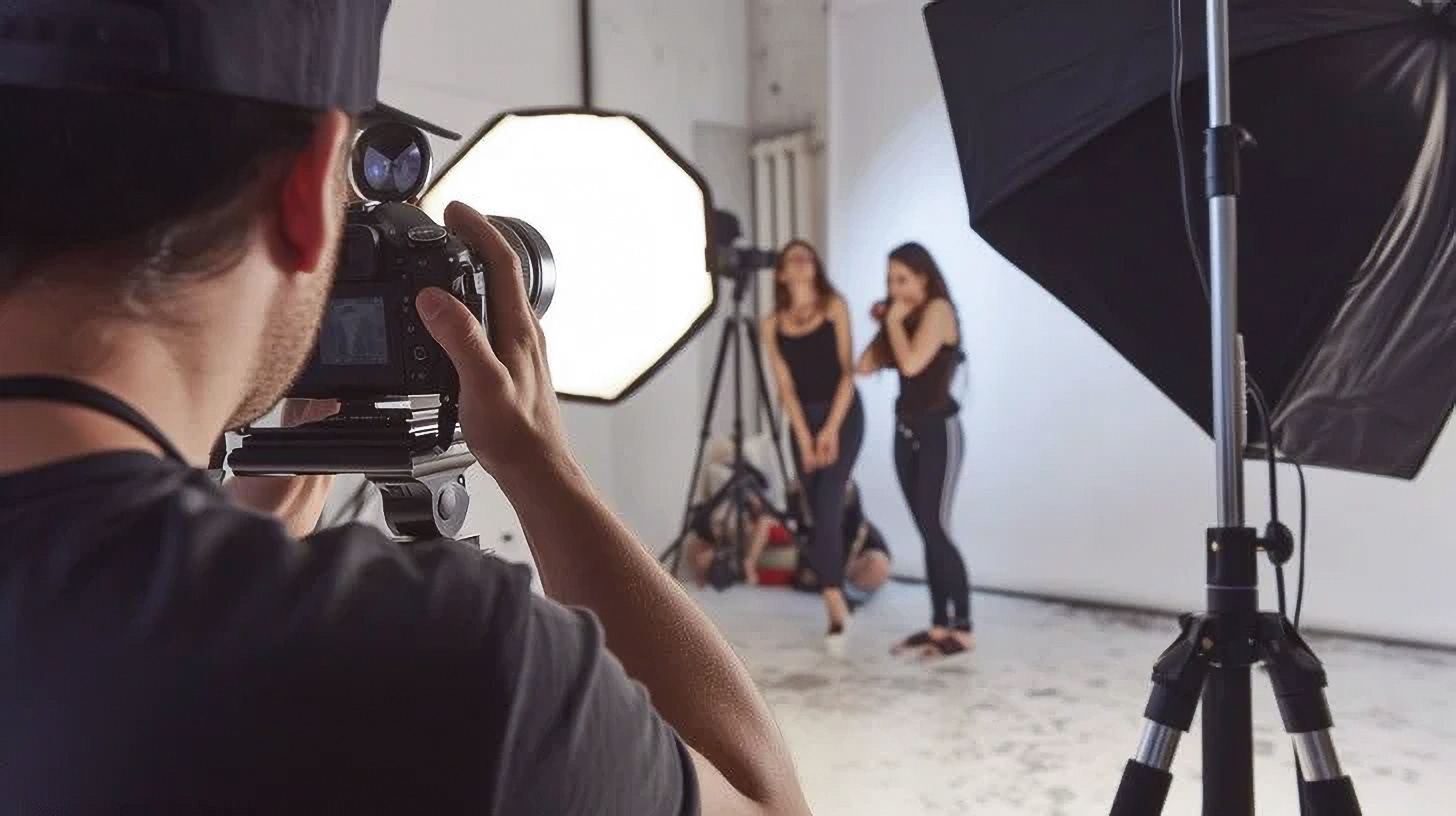
I've watched it happen in my studio at FramedLDN more times than I can count: the hesitation that arrives just as the camera lifts to the eye. That sharp intake of breath, the automatic hand darting toward a perceived flaw, simultaneously followed by a quiet apology for "not being photogenic."
If you're reading this with a knot in your stomach that says professional photography is an exposure to be endured rather than an opportunity to seize, then I want to tell you something liberating: you have been thinking about your image all wrong and that confusion is costing you your own narrative.
Society has conditioned us to treat the camera as a forensic instrument. We arrive at studios braced for documentation, fearing the process will perform a biometric capture, cataloguing every perceived imperfection, every wrinkle, every exhaustion and every angle we scrutinise in bathroom mirrors. We treat the lens like evidence-gathering technology and ourselves as the suspects.
But here is the shift that changes everything: a good photograph is not surveillance.
It is strategy.
When you sit for a portrait at FramedLDN, the camera captures what you choose to reveal: confidence, approachability, innovation, resilience. A good image is editorial control in visual form, allowing you to decide which chapter of your story the world reads first.
This is the liberation that hesitant clients discover in my studio. Every decision, like the lighting that sculpts your features, the composition that commands your presence, the micro-expression that suggests competence, is a deliberate act of visual rhetoric. Photography is about refusing to let chance or poor lighting dictate your professional reputation.
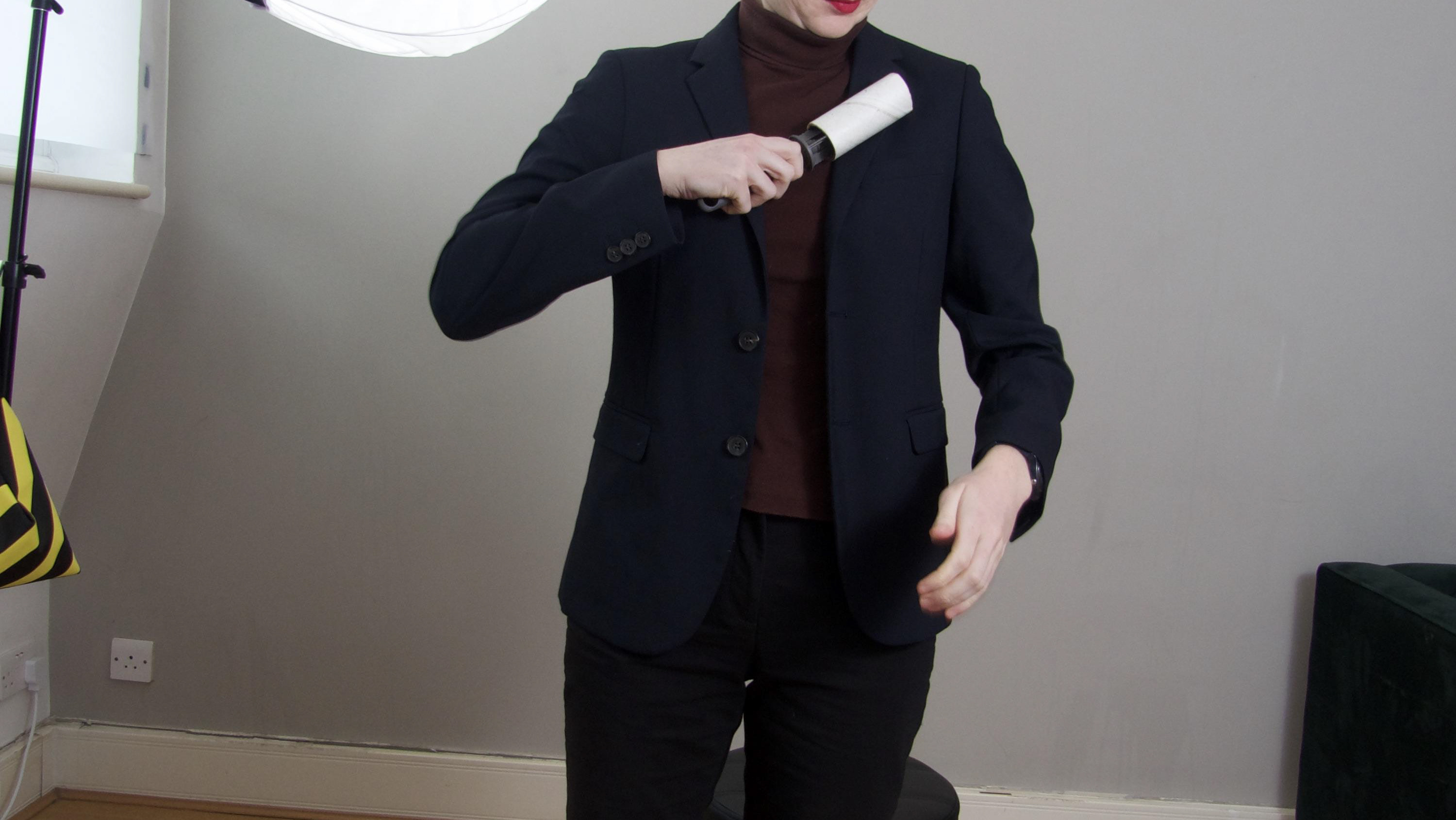
The most striking images I've created aren't of people who love being photographed. They're of people who learned to treat photography as collaboration rather than judgment. They understood that in this social-media age, your image works while you sleep. It attends the meetings you cannot join. It introduces you before you speak.
A good photograph is not a vanity indulgence. It is infrastructure. A visual syntax of your expertise, asserting your presence in rooms you haven't entered yet.
So if you have been waiting for the "right time," for the weight loss, for the facelift, for the perfect hair day etc: stop. The liberation you seek isn't in changing your face. It's in changing your relationship with being seen. The camera is not a mirror that reflects your doubts. In the right hands, it is a megaphone for your value.
Your story deserves better than a smartphone snapshot snatched in harsh daylight. It deserves intention and strategy.
It deserves to be framed.
— Sasha
Lead Photographer, FramedLDN
Lead Photographer, FramedLDN